Apex Performance Tuning Melbourne — European and performance car workshop
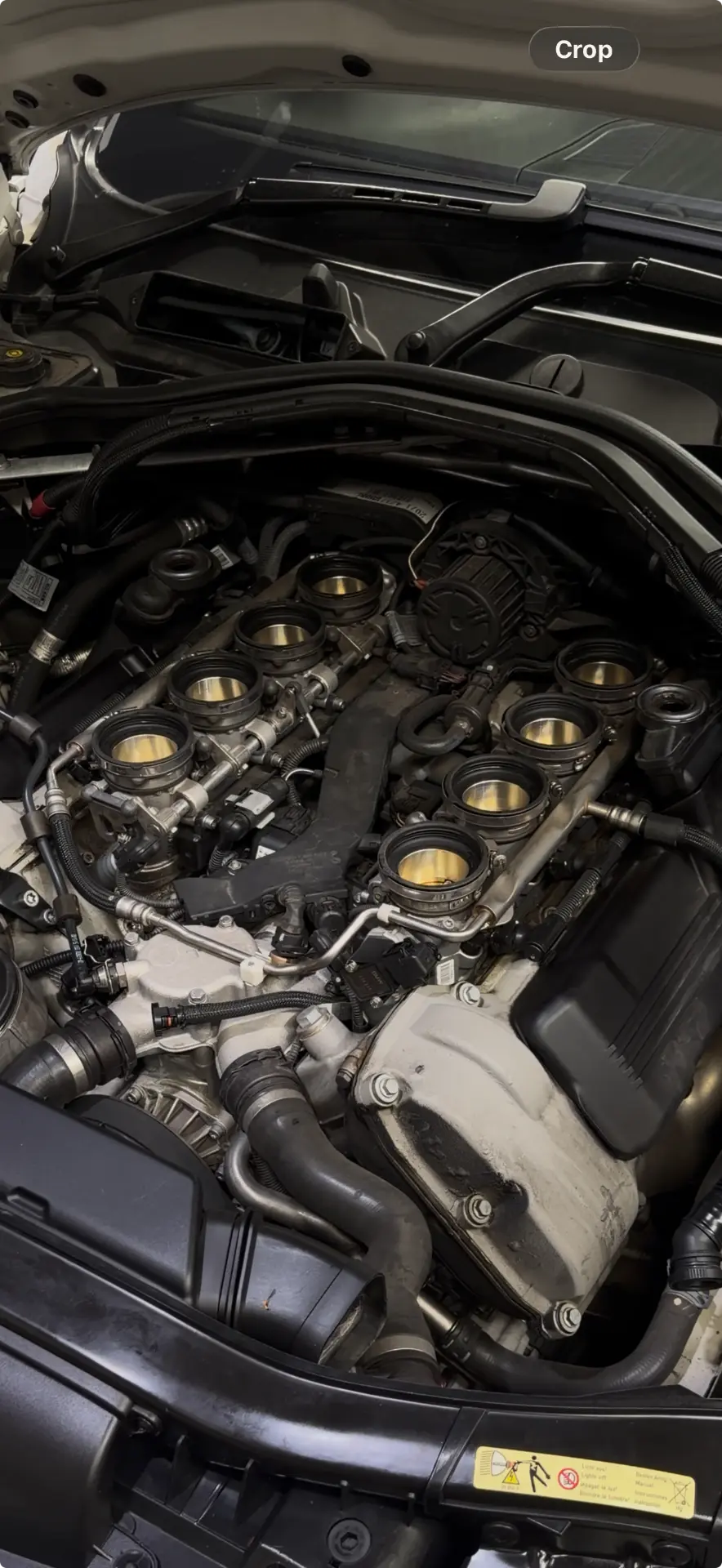
BMW V8 with intake manifold removed showing bare intake ports ready for walnut blasting at Apex Wantirna South
Walnut Blasting & Carbon Clean · Melbourne

Carbon clean & walnut blasting Melbourne.
Direct injection. Cleaned properly.

Apex Performance Tuning is an independent European vehicle specialist workshop in Wantirna South. We are not a manufacturer and not an authorised dealership.

Direct-injection engines never wash fuel over the intake valves, so carbon builds up as a hard crust. The result is rough cold start, throttle hesitation, misfire codes and fuel economy that quietly slides. Walnut-shell blasting is the only method that removes hard carbon safely. BMW N54/N55/N20/N63/S55/S58/B58, Audi & VW EA888 and 4.2 FSI, Porsche direct-injection flat-six and flat-four, Mercedes M133/M139/M177 — all handled in Wantirna South.

For service, repair and diagnostic enquiries at Apex, Wantirna South.

★ 4.9-star Google ratingManufacturer warranty preservedOEM on request
Quick answer

Apex Performance Tuning carries out walnut-shell blasting and intake carbon cleaning on European direct-injection engines at Unit 4/6 Woodbine Court, Wantirna South VIC 3152. We are an independent specialist workshop, not a dealership.

The intake manifold is removed, each port is individually sealed and blasted with walnut shell media under vacuum extraction, the PCV and oil separator are inspected, and the engine is reassembled on new OEM gaskets to factory torque.

Most four-cylinder and inline-six engines are a full day in the workshop; V8s with harder access can run a day and a half. Every job is quoted in writing against your VIN before work begins. Open Monday to Friday 8:30am–5:30pm — 0483 939 216.

4.9★
Google rating
Warranty
Manufacturer schedule preserved
Photo & video
Inspection evidence
Approval first
No extra work without your OK
What we do

Every service, every job —
done properly.

Manufacturer-spec intervals, dealer-level diagnostics and OEM-grade parts. Every service is quoted in writing against your VIN before work begins, with a clear, line-itemised breakdown.

  • 01

    Borescope inspection first

    Before anything comes apart we borescope the intake ports so you can see the actual carbon load on your engine — and whether the job is even warranted yet.

  • 02

    Intake manifold removal

    Manifold off, each intake port individually sealed, injectors, coils and manifold flaps inspected while access is open.

  • 03

    Walnut shell media-blast + vacuum

    Crushed walnut shell is abrasive to carbon but safe on aluminium heads and valve faces. Continuous vacuum extraction so nothing enters the cylinder.

  • 04

    Valve seat & port verification

    Ports re-inspected after blasting to confirm the valve faces and seats are back to clean metal — not 'good enough'.

  • 05

    PCV & oil separator inspection

    A failing PCV or crankcase separator is the usual root cause of rapid rebuild. Inspected and quoted while apart, so the carbon doesn't simply come straight back.

  • 06

    New OEM gaskets & correct torque

    Correct manifold and charge-pipe gaskets, factory torque sequence on reassembly. No post-job vacuum leaks or boost complaints.

  • 07

    Plugs, coils & injector seals together

    Access is already open, so plugs, coils and injector seals are best replaced in the same visit rather than paying to open the engine twice.

  • 08

    Post-job datalog & road test

    Cold-start behaviour, fuel trims, idle quality and misfire counters verified in live data on ISTA or ODIS, then road tested before it goes home.

Why Apex

Dealer-grade work.
Without the dealer wait-list.

  • 01

    European direct-injection specialists

    N54, N55, N63, S55, S58, B58, EA888 and 4.2 FSI intake work is weekly business here. Correct media, correct procedure, correct torques.

  • 02

    Evidence before and after

    Borescope images before, port photos after. You see exactly what you paid for instead of taking our word for it.

  • 03

    No chemical-soak shortcuts

    Spray-in and soak 'carbon cleaners' do not remove hard baked deposits from intake valves. Media blasting is the only method that genuinely cleans them.

  • 04

    Root cause addressed

    We check PCV, oil separator, turbo seals and injector condition — the things that determine how fast the carbon returns.

  • 05

    Independent, quoted in writing

    Dealer-level tooling and procedure, with a written, line-itemised quote against your VIN before any work starts.

  • 06

    Independent, not dealer

    The same tooling and the same standard of work, with everything approved in writing first.

  • 07

    Photos & written quotes

    Every finding photographed on the hoist. Extras approved in writing before we touch anything.

Deep dive

The symptoms owners actually notice.

Carbon buildup on intake valves rarely arrives as a single dramatic failure. It creeps. Most owners describe the same handful of things, and they tend to appear in this order.

  • Rough or lumpy cold start

    The first 20–30 seconds after a cold start are the clearest tell. Restricted, uneven airflow past crusted valves upsets the idle before the engine reaches closed-loop control.

  • Throttle hesitation off idle

    A soft, delayed response when you first squeeze the throttle in traffic — the engine feels like it takes a breath before it pulls.

  • Fuel economy slipping

    Usually the slowest symptom to be noticed, because it happens over years. Disrupted intake flow forces fuel trims to compensate.

  • Occasional misfire codes

    Cylinder-specific misfire faults that come and go, often worse when cold or under light load, and often blamed on coils first.

  • Reduced top-end pull

    On turbocharged direct-injection engines, restricted intake ports cost airflow exactly where you feel it most — the last third of the rev range.

  • Rougher idle at a hot standstill

    Idle quality that has quietly become less smooth than you remember, particularly with the air conditioning loaded.

Every direct-injection European platform carbons up.

It's not a BMW-specific problem — it's a direct-injection problem. Every manufacturer moved to direct injection in the 2010s for fuel efficiency and emissions, and every one of them opened the door to intake-valve carbon buildup. The rate of buildup and the exact procedure varies, but the underlying physics is the same.

We handle all of them: BMW N54/N55/N63/S55/S58/N20/B58 (early), Audi/VW EA888 (all generations) and 4.2 V8 FSI, VW EA211 (Polo GTI), Porsche 991.2/992 turbo flat-six and 718 turbo flat-four, Mercedes M133/M139/M177 (less prone but real). Different engines, different access, same underlying job.

When to do it, and what to expect.

The right interval depends on driving pattern and platform, but symptomatic cars usually appear between 80–120k km. If you're seeing rough cold idle, dropped fuel economy, throttle hesitation, or occasional misfires on a direct-injection European past that mileage — it's very likely time.

The job takes a day for most 4-cylinder and inline-6 engines, up to a day-and-a-half for V8s with harder access. On completion, you should notice smoother cold-start behaviour, better throttle response, and often improved fuel economy. It's one of the most tangible before/after jobs we do — customers usually tell us within a week that the car 'feels different'.

We combine walnut blasting with plug and coil replacement where sensible (access is already open — cheaper together than two visits) and always inspect the PCV / oil separator while apart. The root cause of buildup is often a failing PCV; replacing it prolongs the interval before the next carbon clean is due.

How the job runs, step by step.

Nothing about this job should be a mystery, so here is the exact sequence your car goes through when it comes to Wantirna South.

  • 1 · Diagnose, don't assume

    Full scan on manufacturer software (ISTA, ODIS, Xentry or PIWIS), live fuel-trim and misfire data, then a borescope look into the intake ports.

  • 2 · Written quote against your VIN

    You get a line-itemised quote for your specific engine, including anything we recommend doing while access is open. Nothing proceeds without your approval.

  • 3 · Strip and seal

    Charge pipes and intake manifold off, injectors and coils out where required, each port individually sealed so no media or debris can reach a cylinder.

  • 4 · Walnut blast under vacuum

    Port by port, media blasting with continuous vacuum extraction until the valve faces and seats are back to clean metal.

  • 5 · Root-cause checks

    PCV and oil separator, turbo shaft seals, injector seals and manifold flaps inspected. Findings photographed and quoted before anything is replaced.

  • 6 · Reassemble to spec

    New OEM gaskets, factory torque sequence, plugs and coils fitted if approved, adaptations reset on the diagnostic tool.

  • 7 · Verify and hand back

    Cold-start behaviour, fuel trims and misfire counters verified in live data, road tested, then handed back with photos, an inspection sheet and an itemised invoice.

Carbon cleaning across Melbourne's east.

We are in Wantirna South, minutes from EastLink and the M1, which makes us a straightforward drop-off for owners in Knox, Ringwood, Glen Waverley, Wheelers Hill, Box Hill, Camberwell, Doncaster, Blackburn, Vermont, Croydon and the wider eastern suburbs. Because the job is typically a single day, most customers drop the car off in the morning and collect the same afternoon.

If you are further out, pickup and drop-off is available by prior arrangement, subject to location and availability. Send us your rego or VIN and current symptoms and we will confirm the correct procedure for your engine, then quote it in writing before anything is booked.

In the workshop
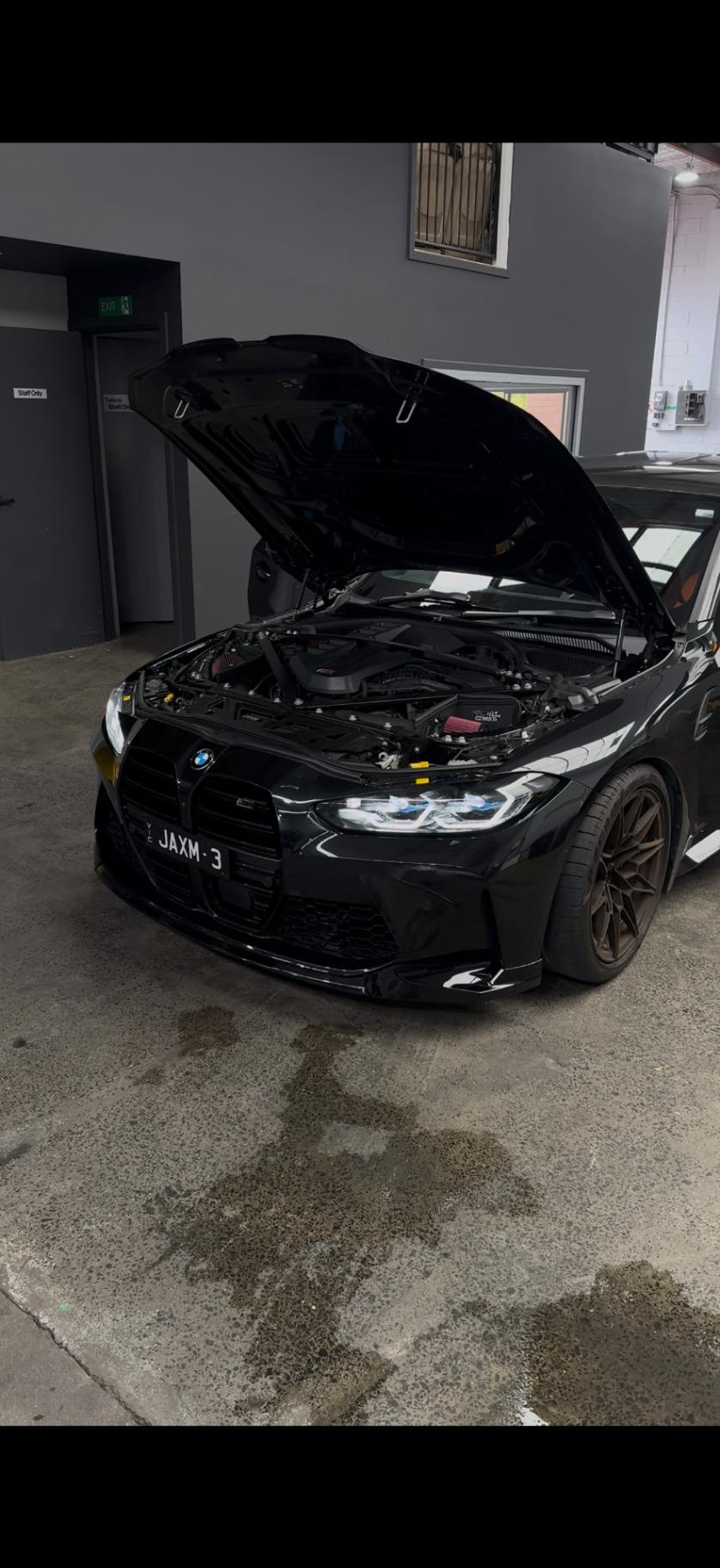
BMW with bonnet open on the workshop floor before intake removal for walnut blasting
Intake access — BMW inline-six
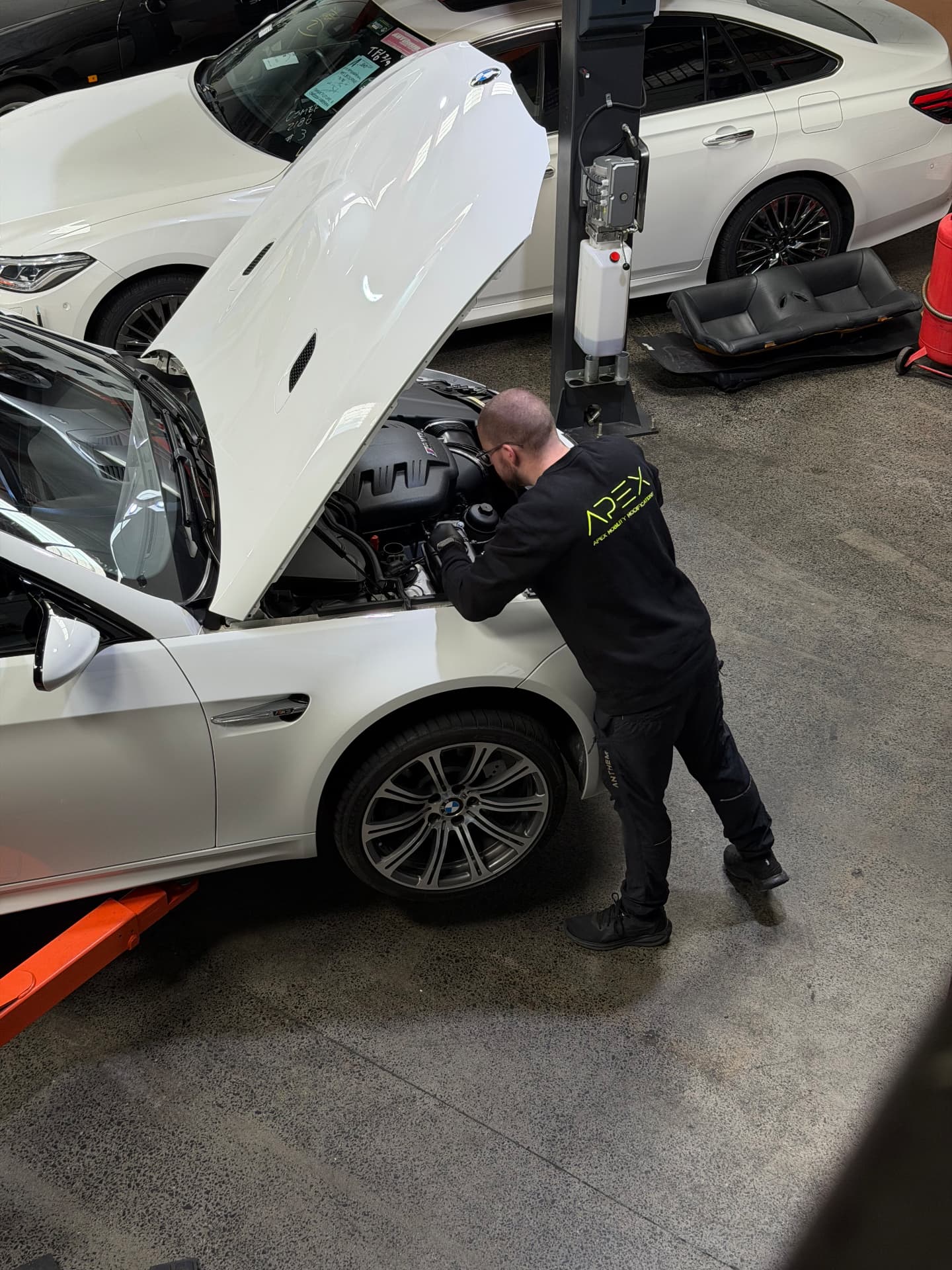
Apex technician working on a BMW M3 engine in the Wantirna South workshop
Manifold off, ports sealed
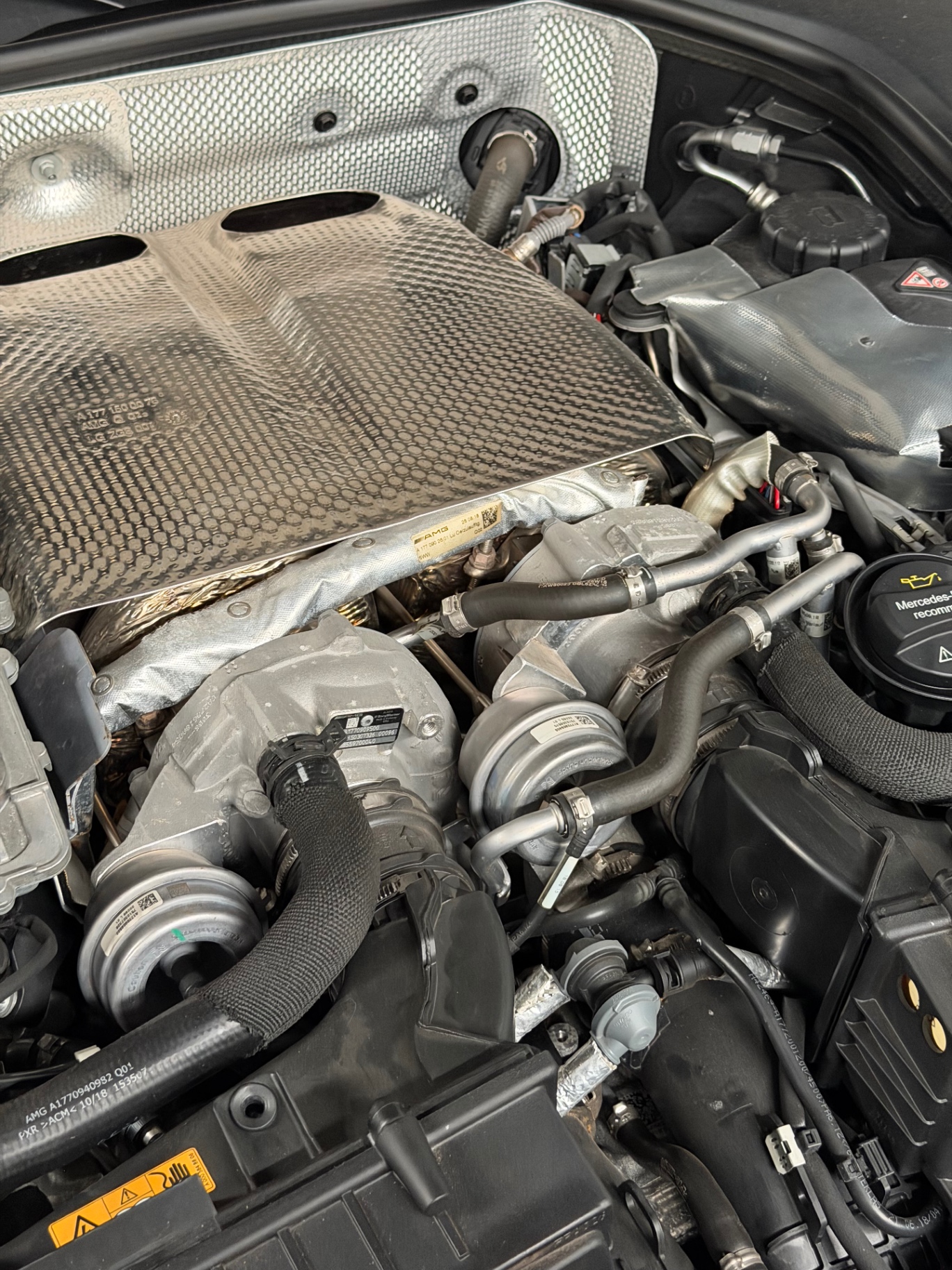
Mercedes-AMG engine bay open in the Apex workshop
Direct-injection AMG intake work
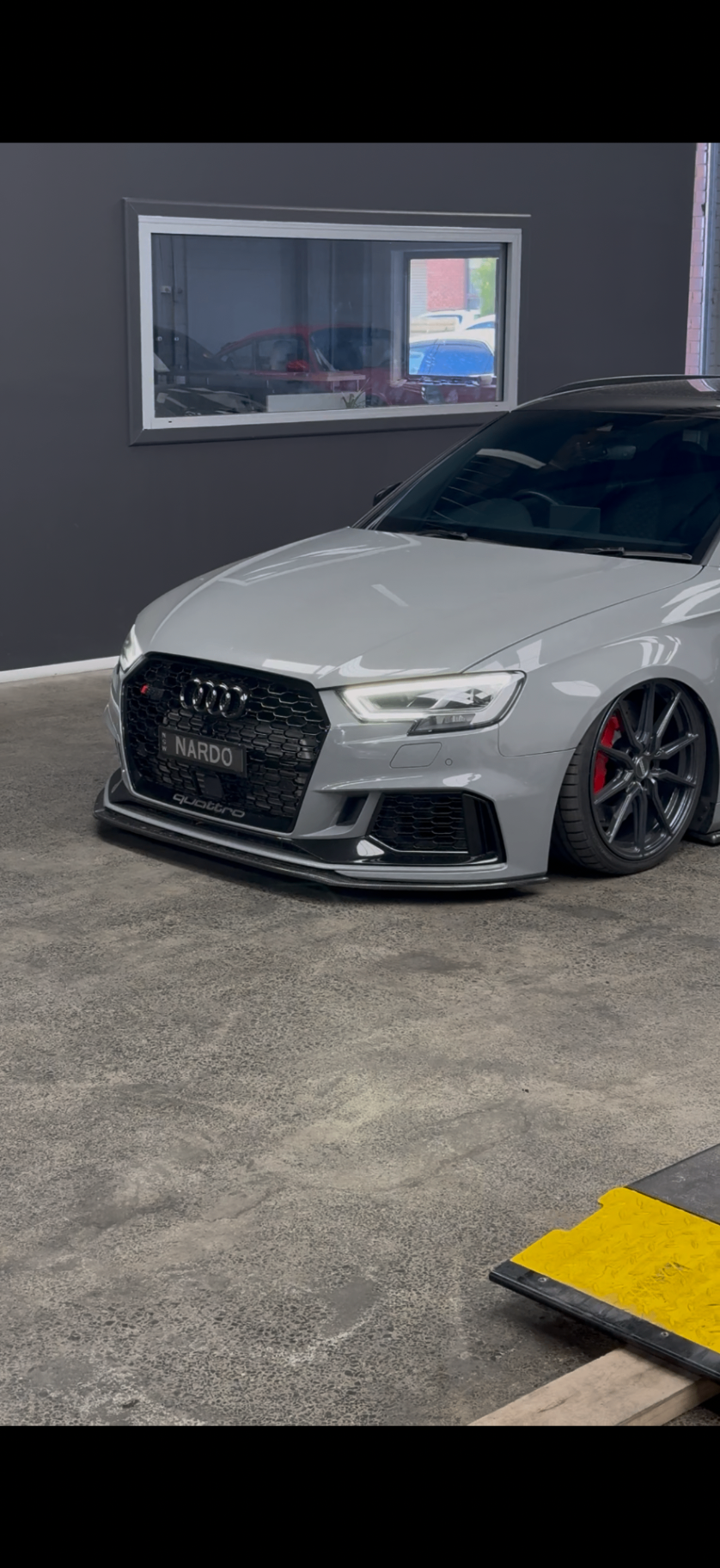
Audi RS3 in the Apex Melbourne workshop for EA888 carbon cleaning
EA888 carbon clean
Questions

Common questions,
straight answers.

Do I really need a carbon clean?+

If your direct-injection European is past roughly 80,000 km and you have rough cold idle, throttle hesitation, misfire codes or fuel economy that has quietly worsened, it is very likely due. We borescope the intake ports first so the decision is based on your engine, not a generic interval.

What is walnut blasting, and why not a chemical clean?+

Walnut blasting fires crushed walnut shell media at the intake valves under vacuum extraction. The shell is hard enough to break baked-on carbon but soft enough not to damage aluminium or the valve faces. Chemical sprays and induction cleaners can soften light film but do not remove the hard crust that causes the symptoms.

Which engines do you carbon clean?+

BMW N54, N55, N20, N26, N63, S55, S58 and B58; Audi and VW EA888 in all generations, EA211 and 4.2 V8 FSI; Porsche direct-injection flat-six and flat-four; Mercedes M133, M139 and M177. If your engine is direct injected, we can quote it.

How long does it take?+

Most four-cylinder and inline-six engines are a single day in the workshop. V8s and some Porsche flat-sixes with harder access run a day and a half. We book it so you drop off in the morning.

How often does it need doing?+

Driving pattern decides it. Short-trip city cars carbon up faster than highway cars. Typically it becomes worth doing every 80,000–120,000 km, and a healthy PCV plus regular correct-spec oil pushes that interval out.

Will it fix my misfire or check engine light?+

Carbon buildup causes misfires on some engines, but so do coils, plugs, injectors and vacuum leaks. We diagnose on ISTA or ODIS with live data first and tell you what the actual cause is before recommending the intake job.

Should I do plugs and coils at the same time?+

Yes, if they are near due. The engine is already open to that level, so combining the work avoids paying for the same access twice.

Will a carbon clean affect my warranty?+

No. It is a maintenance procedure carried out to manufacturer specification with OEM gaskets and documented with photos, a written inspection sheet and an itemised invoice, so your statutory and new-car warranty rights stay intact.

Do you carbon clean tuned cars?+

Yes — and tuned direct-injection cars often benefit most, because clean intake ports and correct fuel trims are what make a calibration behave as intended.

Where are you located?+

Wantirna South, VIC 3152. Easy from EastLink, M1 and Melbourne's east. Call 0483 939 216 to book.


Book in

Ready for a proper quote?

Send your registration or VIN, current kilometres and what the car needs. We come back with the scope in writing — usually within the business day — and nothing extra is carried out without your approval.